


Winter Siding Installation Tips to Keep Your Home Insulated and Protected
- Gloria Rios

- Jan 12
- 3 min read
Winter brings unique challenges for homeowners, especially when it comes to maintaining the exterior of your house. Installing siding during cold months might seem difficult, but with the right approach, it can improve your home's insulation and protect it from harsh weather. This guide shares practical tips to help you install siding in winter effectively, ensuring your home stays warm and secure.
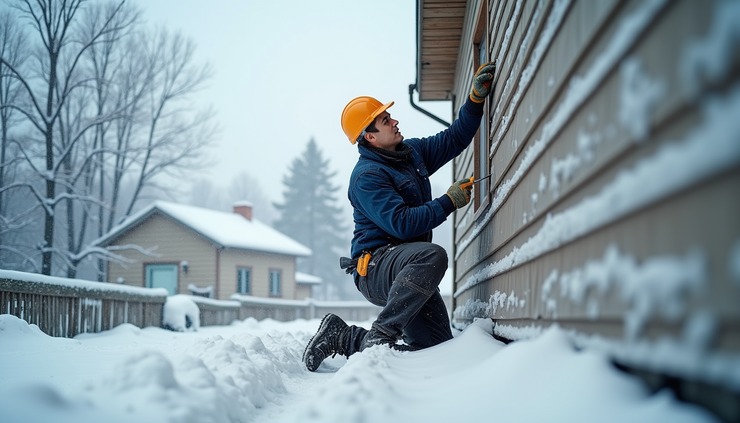
Choose the Right Siding Material for Cold Weather
Not all siding materials perform equally well in winter conditions. Some materials contract and become brittle in low temperatures, making installation tricky and potentially reducing durability.
Vinyl siding is popular for its affordability and ease of installation, but it can become brittle in freezing weather. Choose vinyl siding rated for cold climates to avoid cracking.
Fiber cement siding holds up well in cold and wet conditions. It resists warping and provides good insulation but requires special tools and safety precautions during installation.
Wood siding offers natural insulation but needs proper sealing to prevent moisture damage from snow and ice.
Metal siding is durable and resists moisture but can conduct cold, so pairing it with insulation is essential.
Selecting siding designed for winter climates helps maintain your home's energy efficiency and protects against damage.
Prepare the Surface Thoroughly Before Installation
Winter weather can cause moisture buildup and ice formation on exterior walls. Proper preparation ensures siding adheres well and lasts longer.
Remove any old siding, debris, or loose paint.
Check for water damage or rot and repair before installing new siding.
Allow the wall surface to dry completely. Use heaters or fans if necessary to speed up drying.
Install a weather-resistant barrier to prevent moisture from seeping behind the siding.
Inspect and replace any damaged insulation to improve thermal performance.
Taking time to prepare the surface reduces the risk of future problems like mold, drafts, or siding detachment.
Use Proper Installation Techniques for Cold Weather
Cold temperatures affect how siding materials behave during installation. Adjusting your techniques can prevent damage and ensure a secure fit.
Follow manufacturer guidelines for temperature limits during installation.
Leave appropriate expansion gaps, especially with vinyl siding, to allow for material movement as temperatures change.
Use fasteners designed for cold weather to avoid brittleness and ensure strong attachment.
Avoid nailing siding too tightly, which can cause buckling when materials contract.
Work in smaller sections to maintain control and reduce exposure to cold.
Proper installation techniques help siding withstand winter conditions and maintain its protective qualities.
Protect Yourself and Your Tools
Winter siding installation requires extra care for safety and tool maintenance.
Dress in layers and wear insulated gloves to keep warm while maintaining dexterity.
Use non-slip footwear to prevent falls on icy surfaces.
Keep tools dry and warm when not in use to prevent freezing or damage.
Plan work during daylight hours to maximize visibility and warmth.
Take breaks indoors to warm up and avoid prolonged exposure to cold.
Staying safe and comfortable improves work quality and reduces the risk of accidents.
Monitor Weather Conditions Closely
Weather can change quickly in winter, affecting your installation schedule and results.
Check forecasts daily and avoid siding installation during snowstorms, heavy rain, or extreme cold.
Plan for flexible workdays to accommodate weather delays.
Cover exposed areas with tarps if a sudden storm approaches.
Ensure siding materials are stored in a dry, temperature-controlled space before use.
Being prepared for weather changes helps protect your investment and ensures a smooth installation process.
Benefits of Winter Siding Installation
Installing siding in winter offers some advantages despite the challenges.
Contractors may offer lower rates during the off-season.
You can address insulation issues before spring, reducing heating costs.
Early siding installation prepares your home for spring weather changes.
Winter installation can prevent delays caused by busy summer schedules.
With proper planning and care, winter siding installation can be a smart choice.


Comments